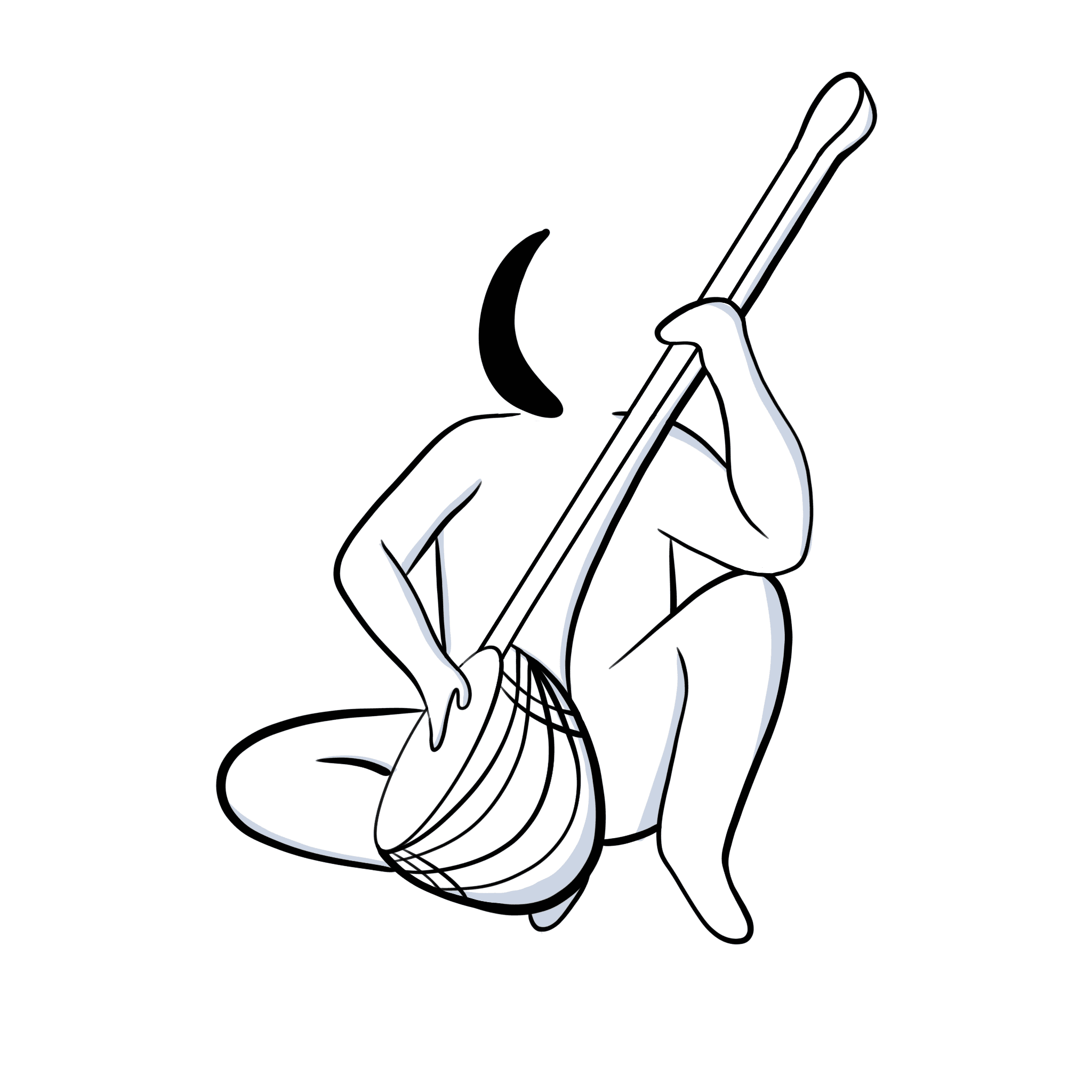
An illustrated archive exploring the posture, rhythm, and visual language of Indian classical instruments.

About

Sounds of India is a personal visual study translating traditional instruments into illustrated form. Rather than documenting only their structure, the project captures how each instrument is held, performed, and embodied — turning sound into composition.

Scope
IllustrationVisual ResearchSound StudyArchival DirectionInteractive Development
Timeline
Ongoing Series
Year
2025
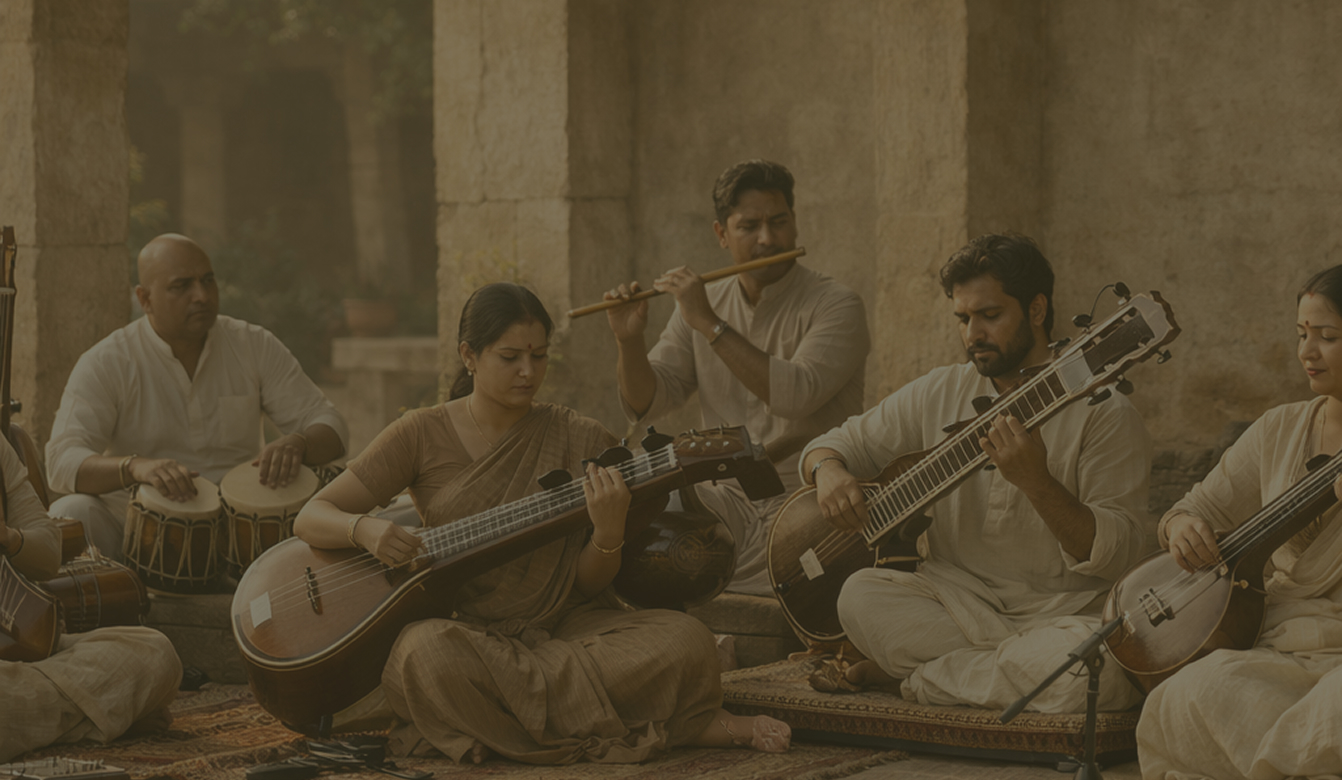
Sounds of India Cover

Translating Sound Into Form

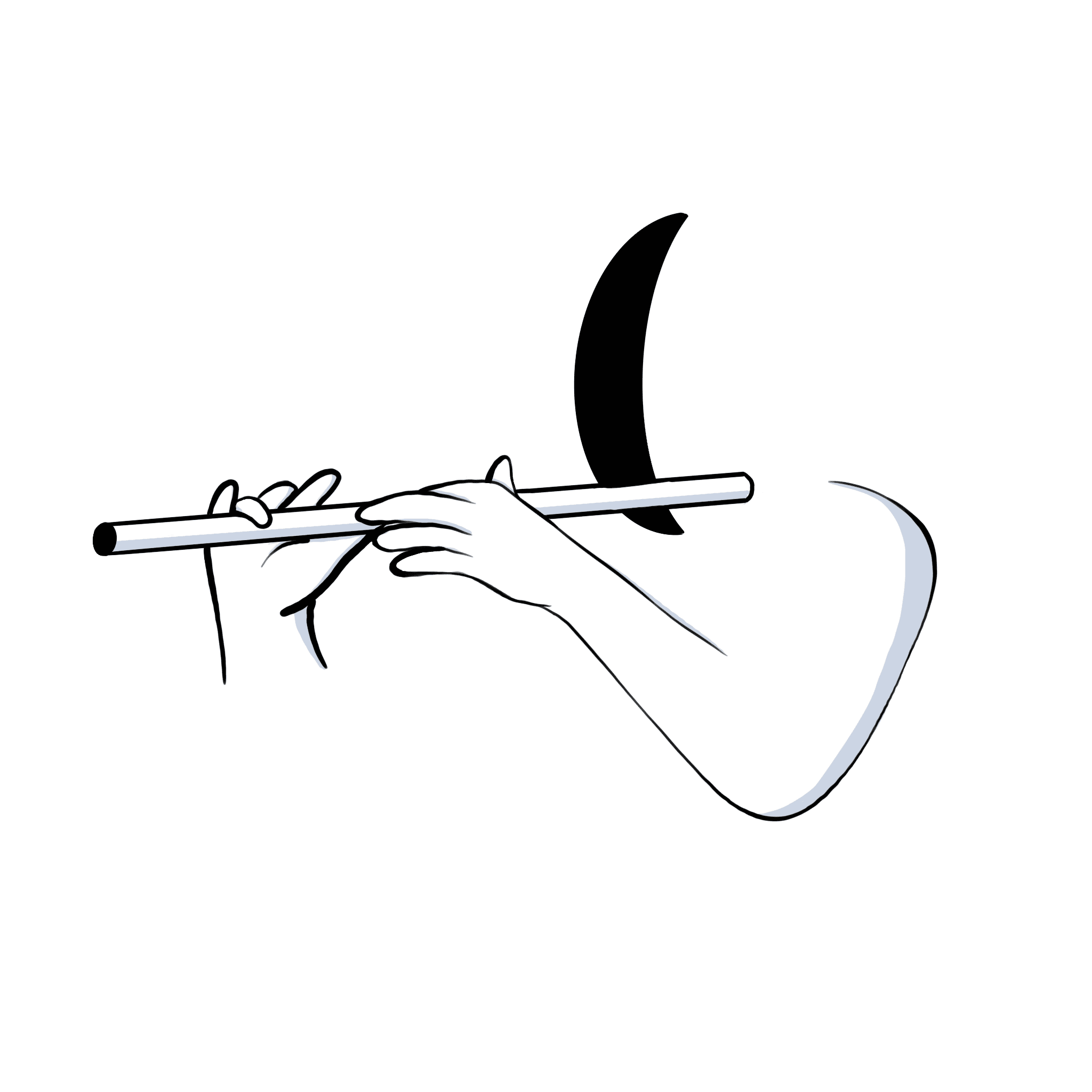
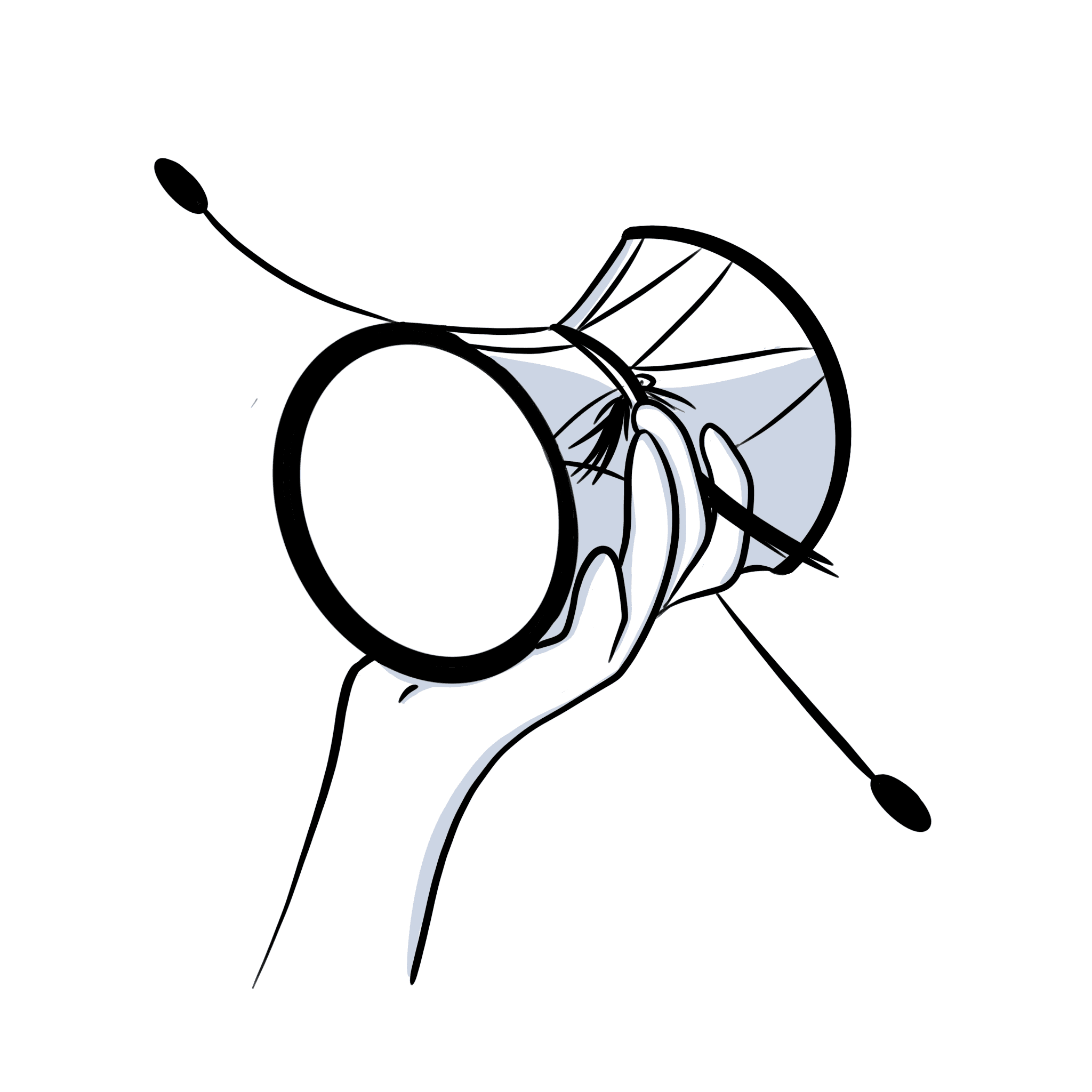
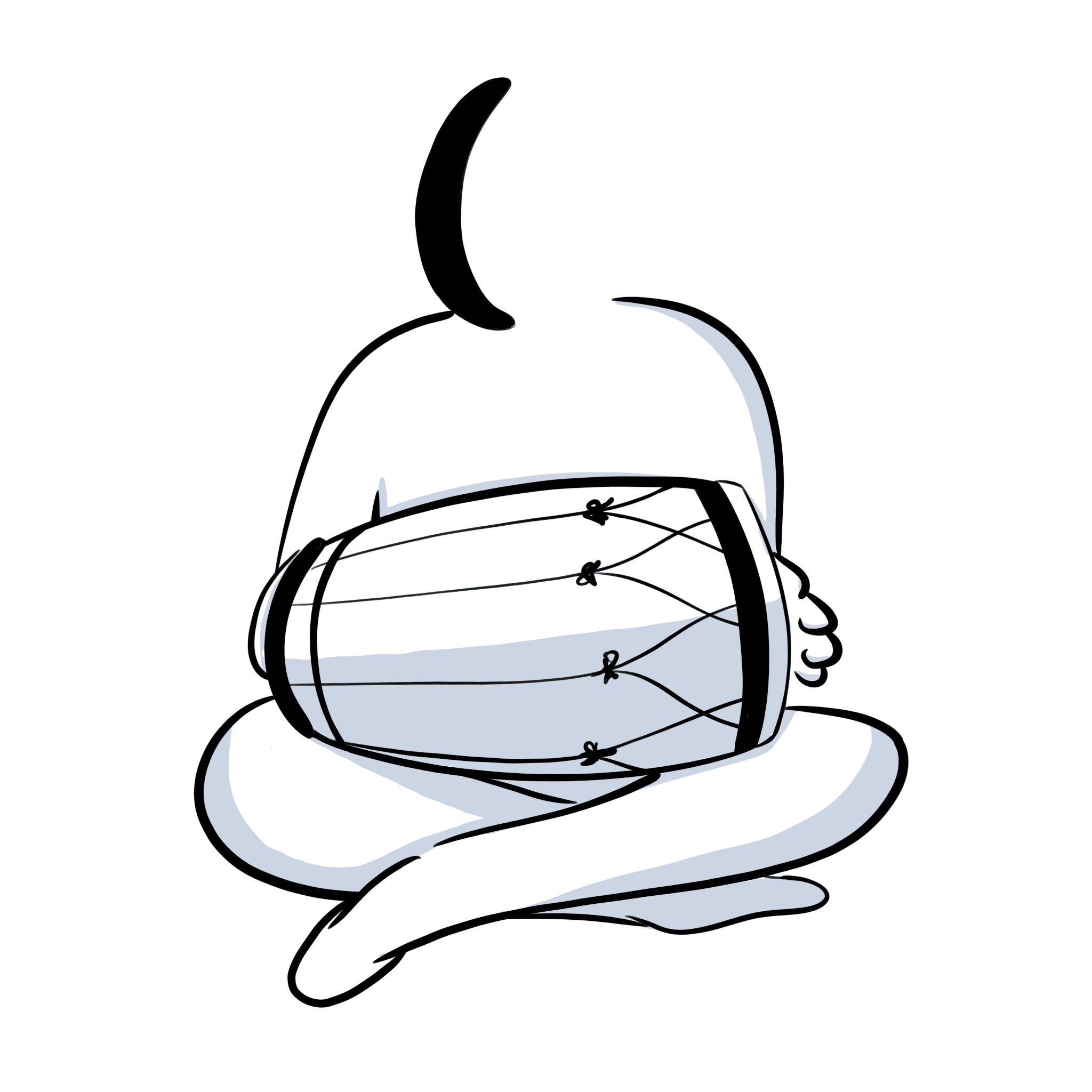
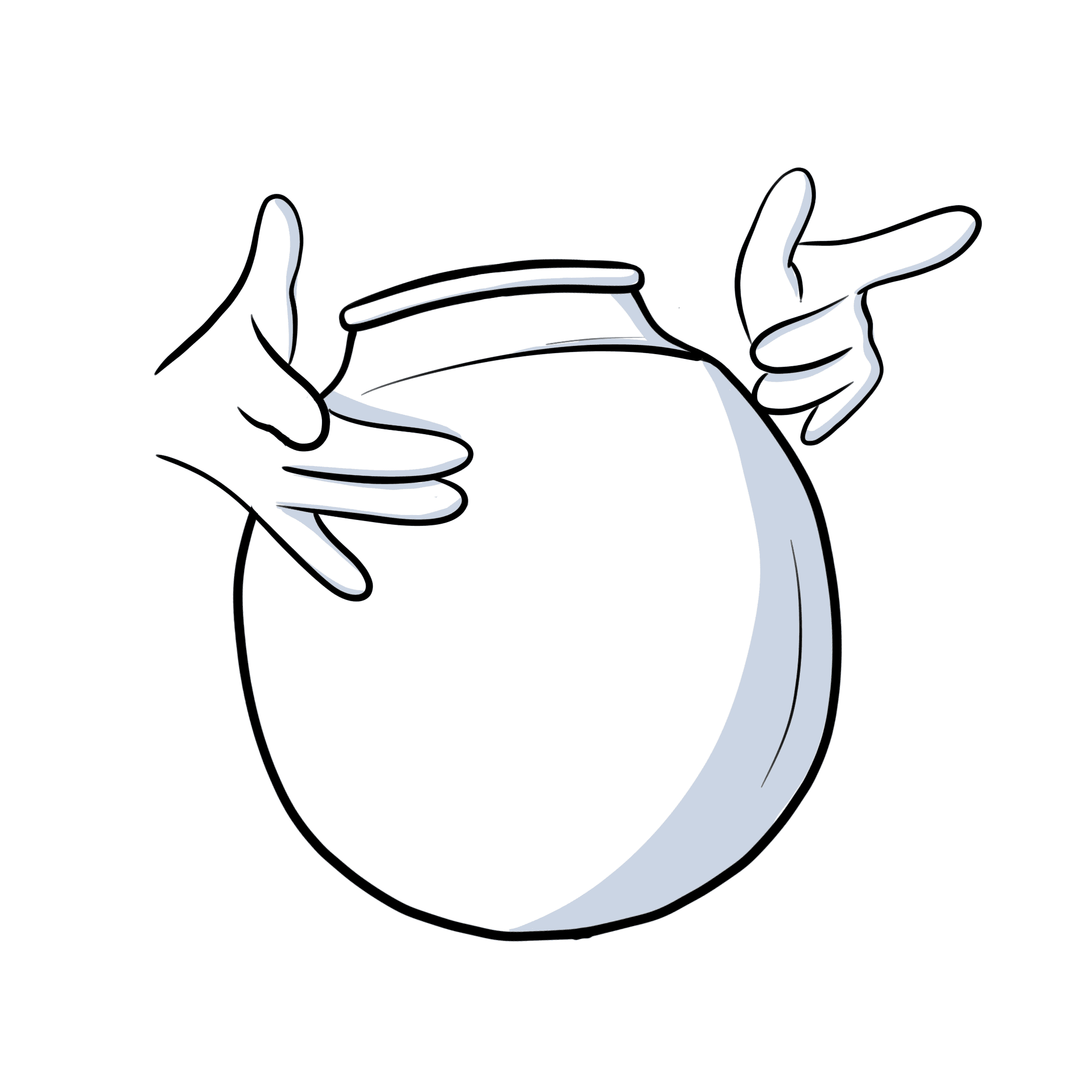
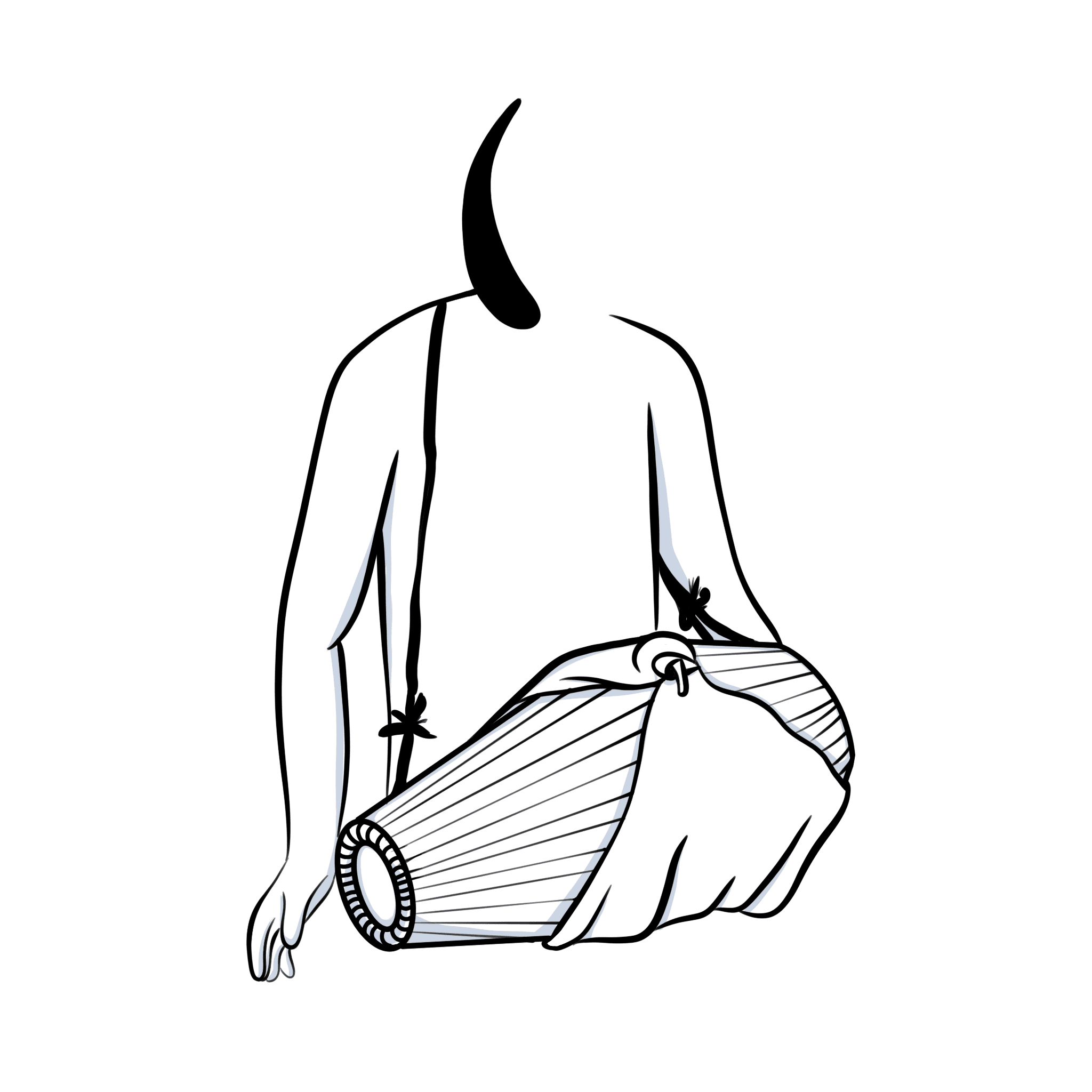
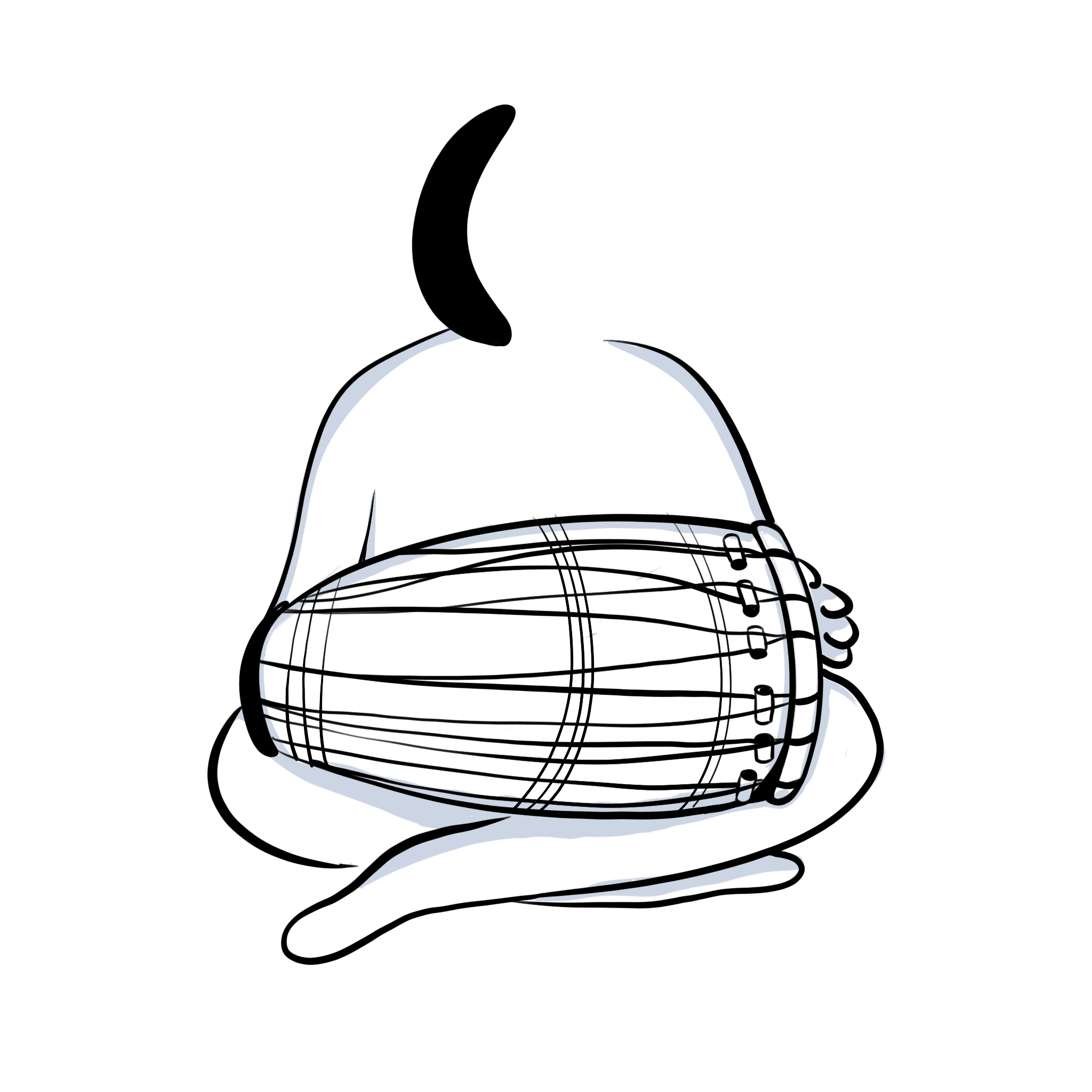
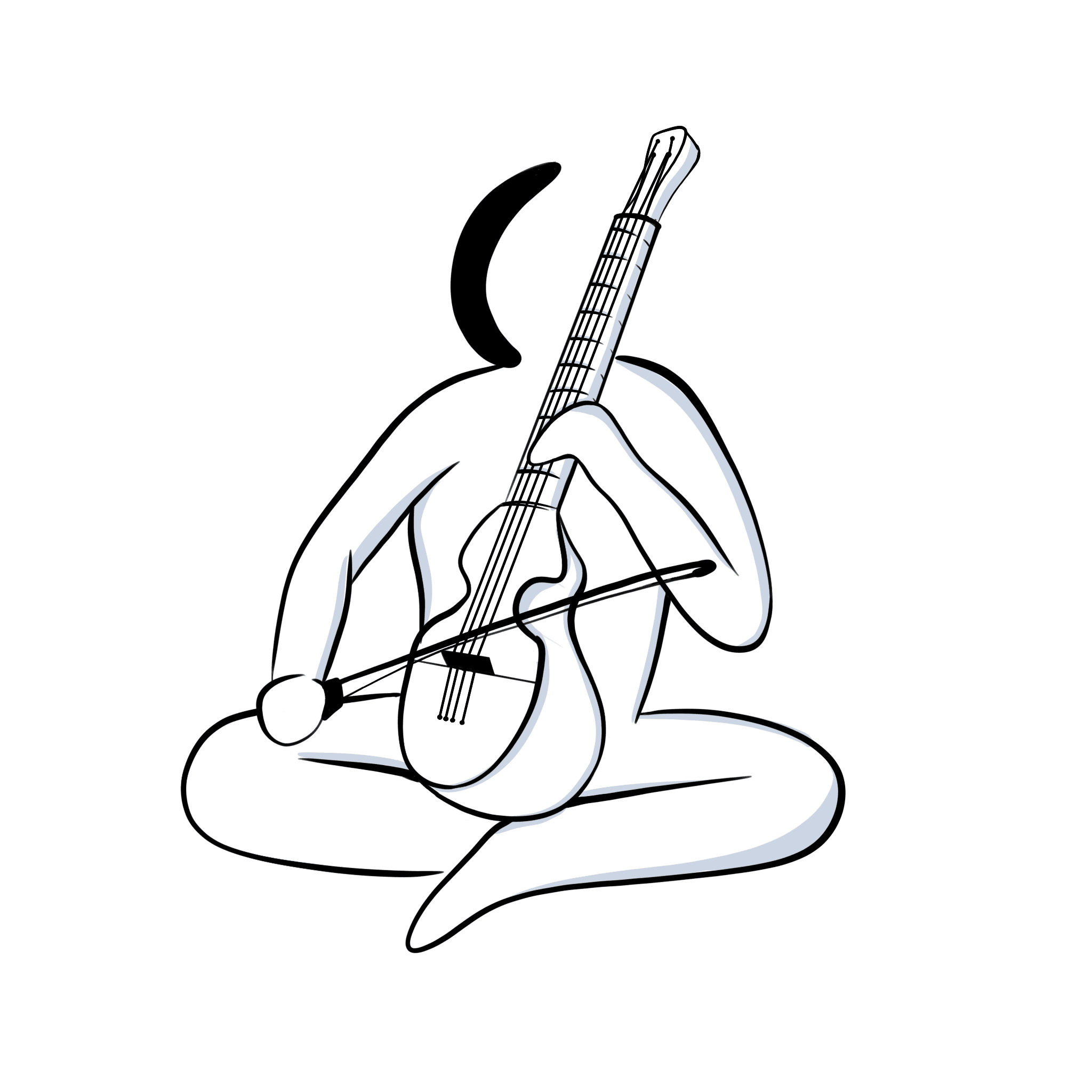
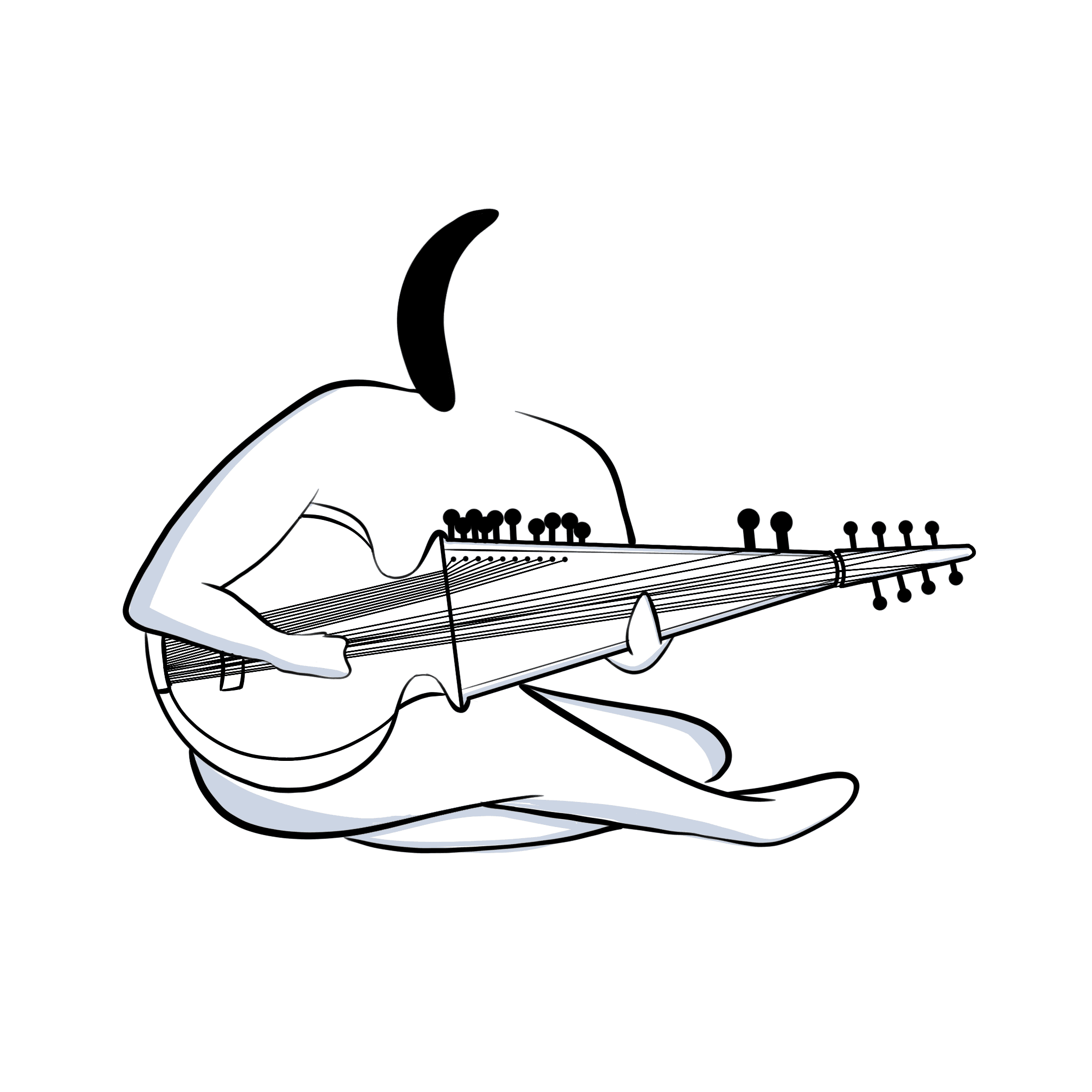
Each illustration studies balance, hand placement, instrument geometry, and the physical relationship between performer and sound. The objective is not realism alone — but rhythm through composition.

Vision

To translate sound into visual posture — capturing the physical dialogue between musician and instrument. The archive treats each illustration as a moment of stillness within motion.

Direction

Minimal monochrome illustration with editorial restraint. Typography, spacing, and motion behave like a magazine layout — guiding the eye through hierarchy rather than decoration.

Execution

A parallax-driven archive where UI and UX function as compositional tools. Interaction reveals context, performance, and cultural narrative — transforming browsing into study.

Visual Archive

Sounds of India

Each illustration captures posture, weight, and rhythm — allowing the visual form to echo the instrument’s sonic identity.

Bansuri

Bansuri

Clarinet

Clarinet

Damaru

Damaru

Dholak

Dholak

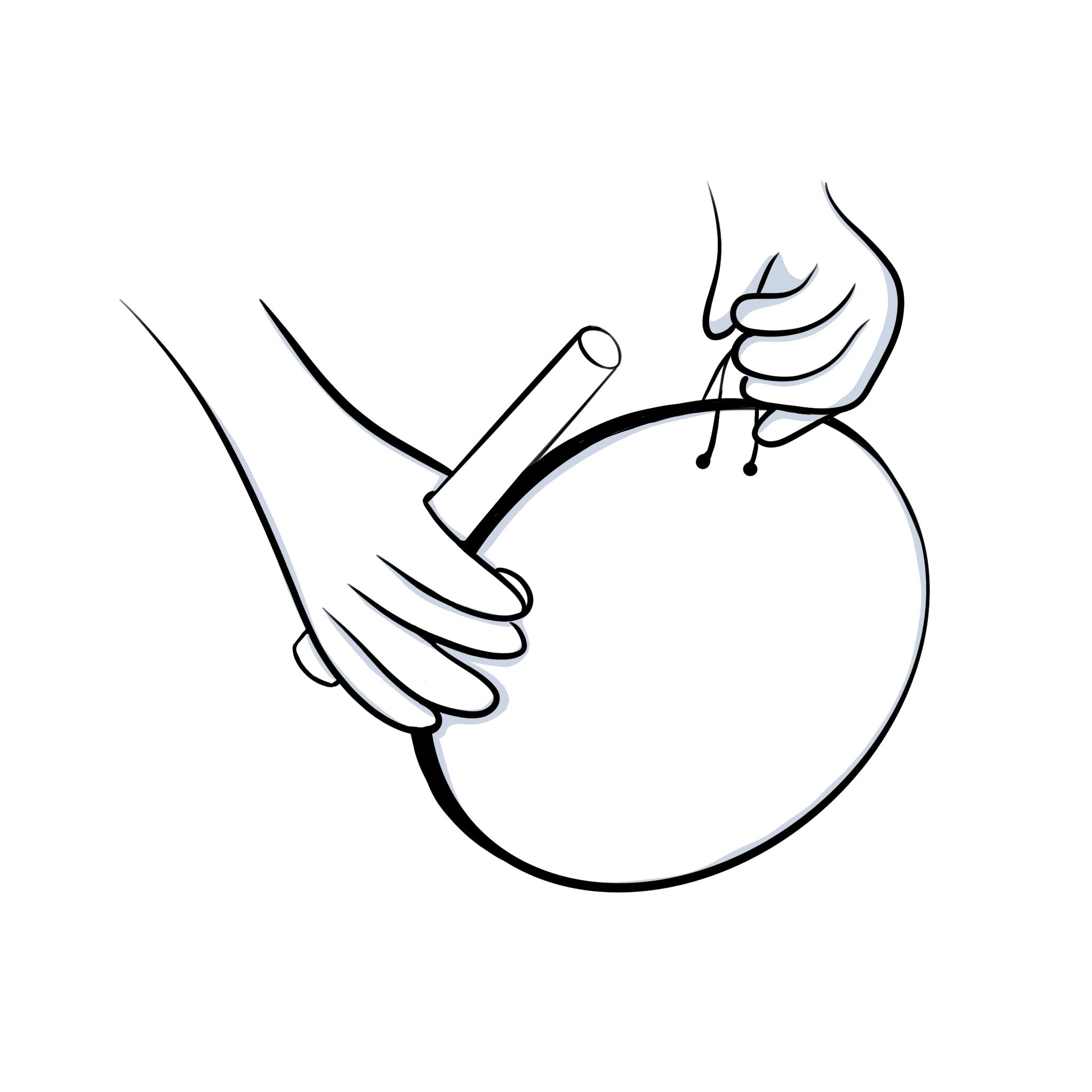
Ghatam

Ghatam

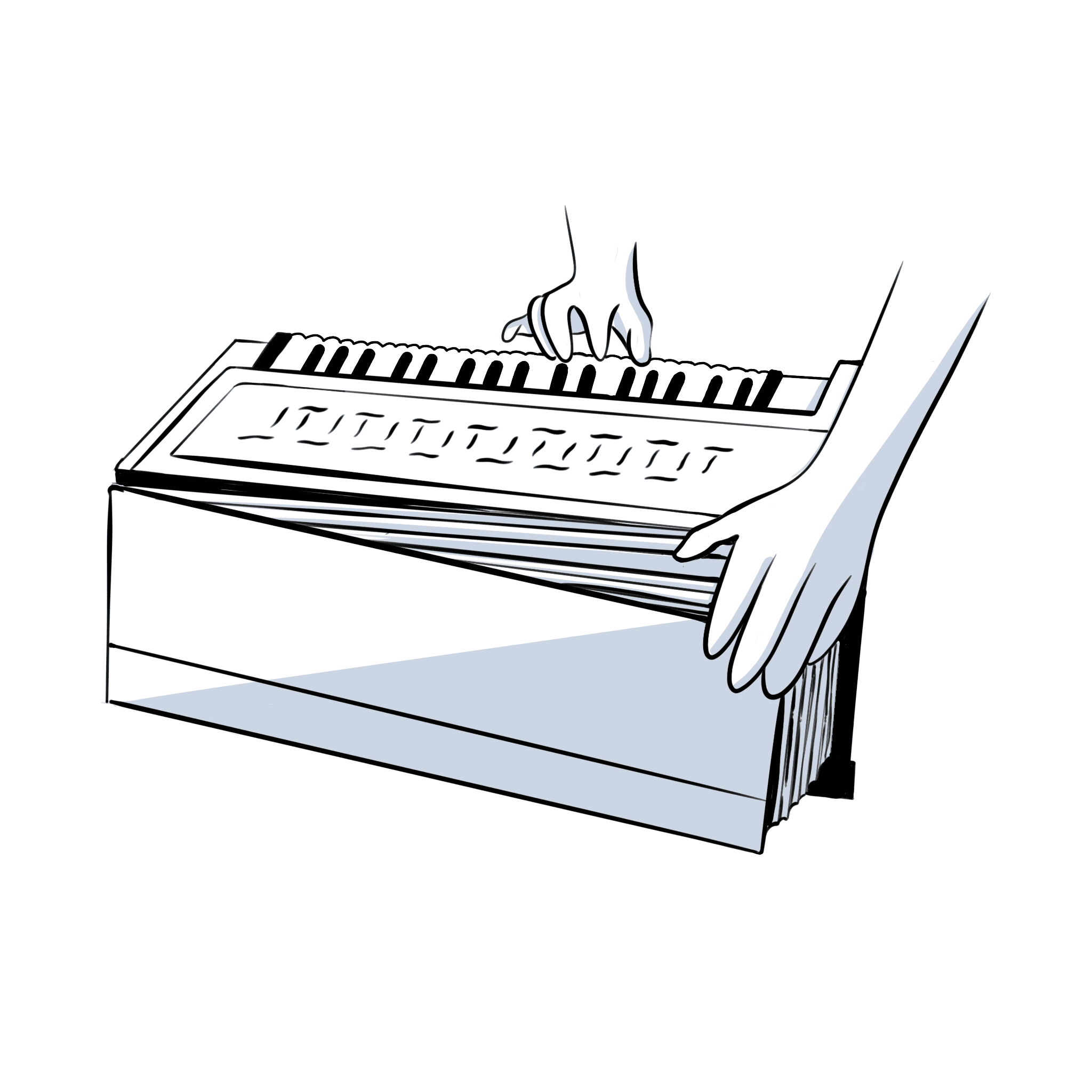
Harmonium

Harmonium

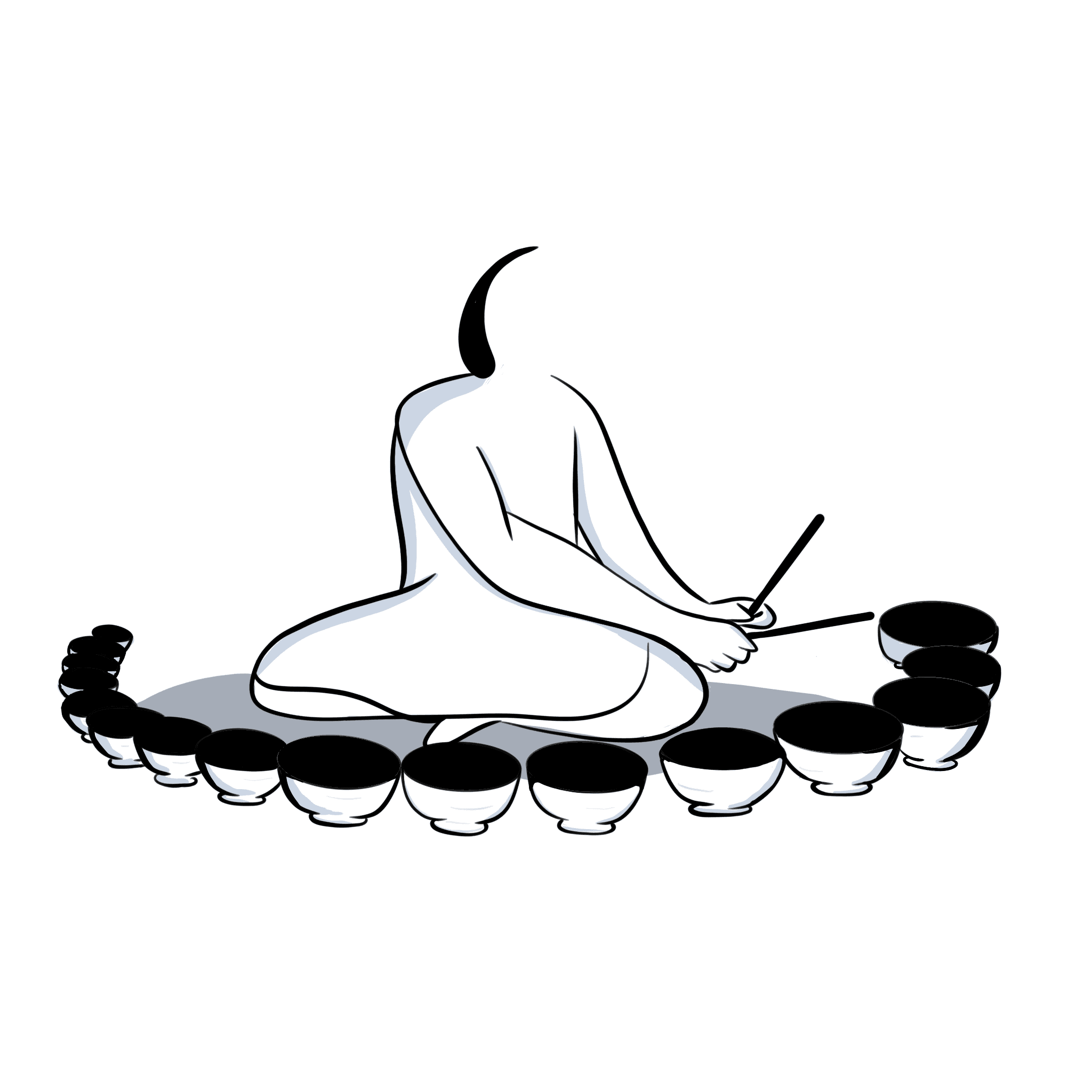
Jal Tarang

Jal Tarang

Jaghte

Jaghte

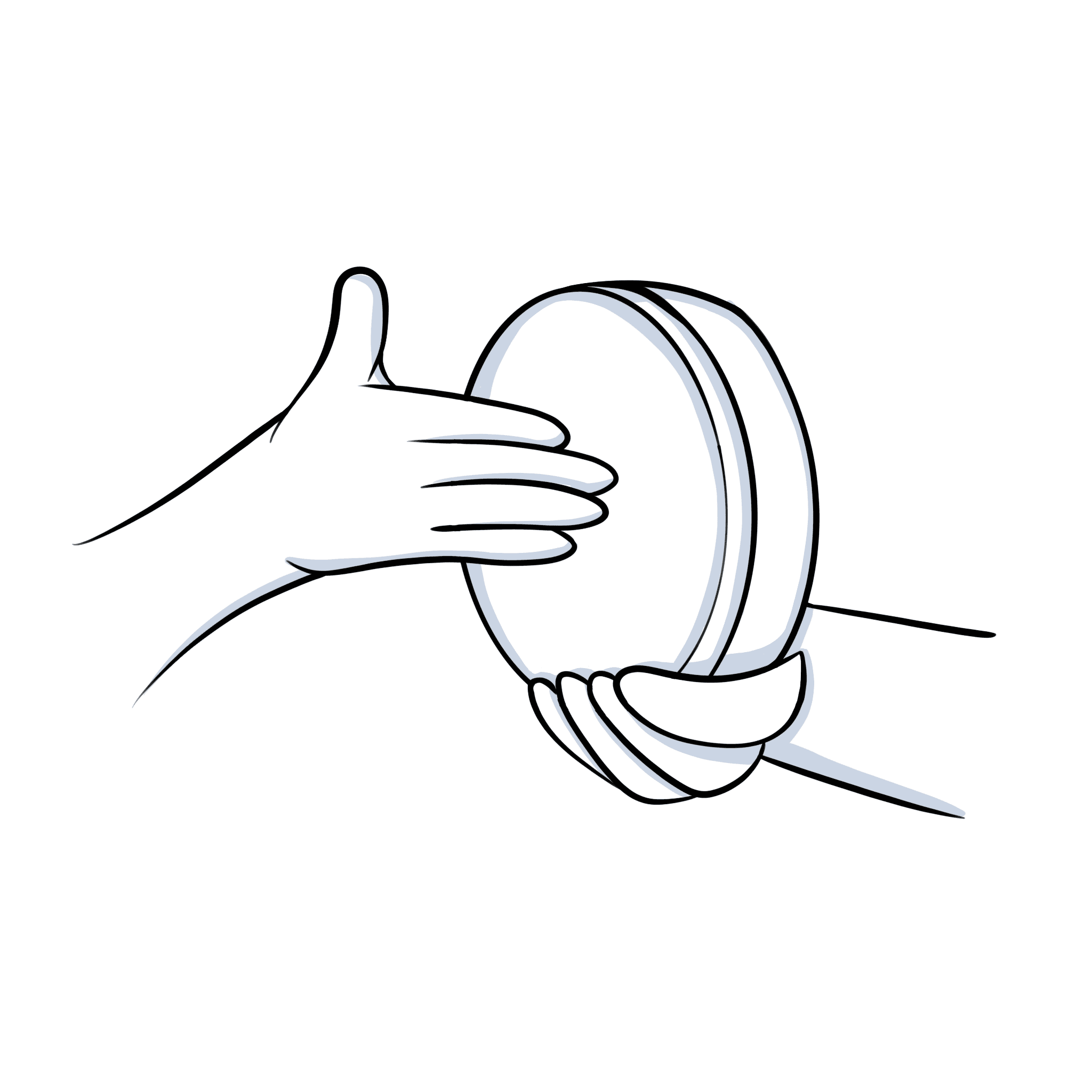
Kanjira

Kanjira

Kartal

Kartal

Khol

Khol

Pakhawaj

Pakhawaj

Sarangi

Sarangi

Sarod

Sarod

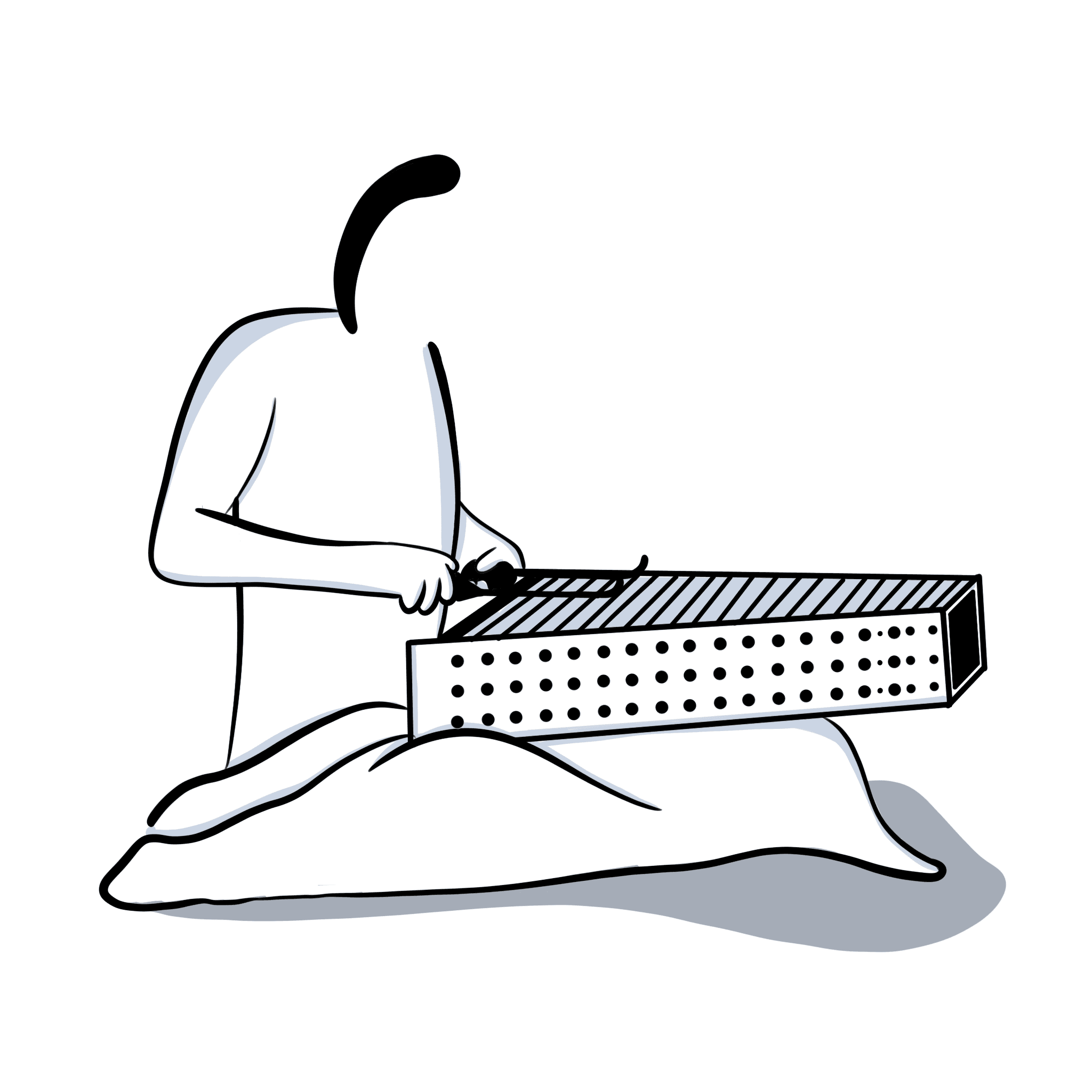
Santoor

Santoor

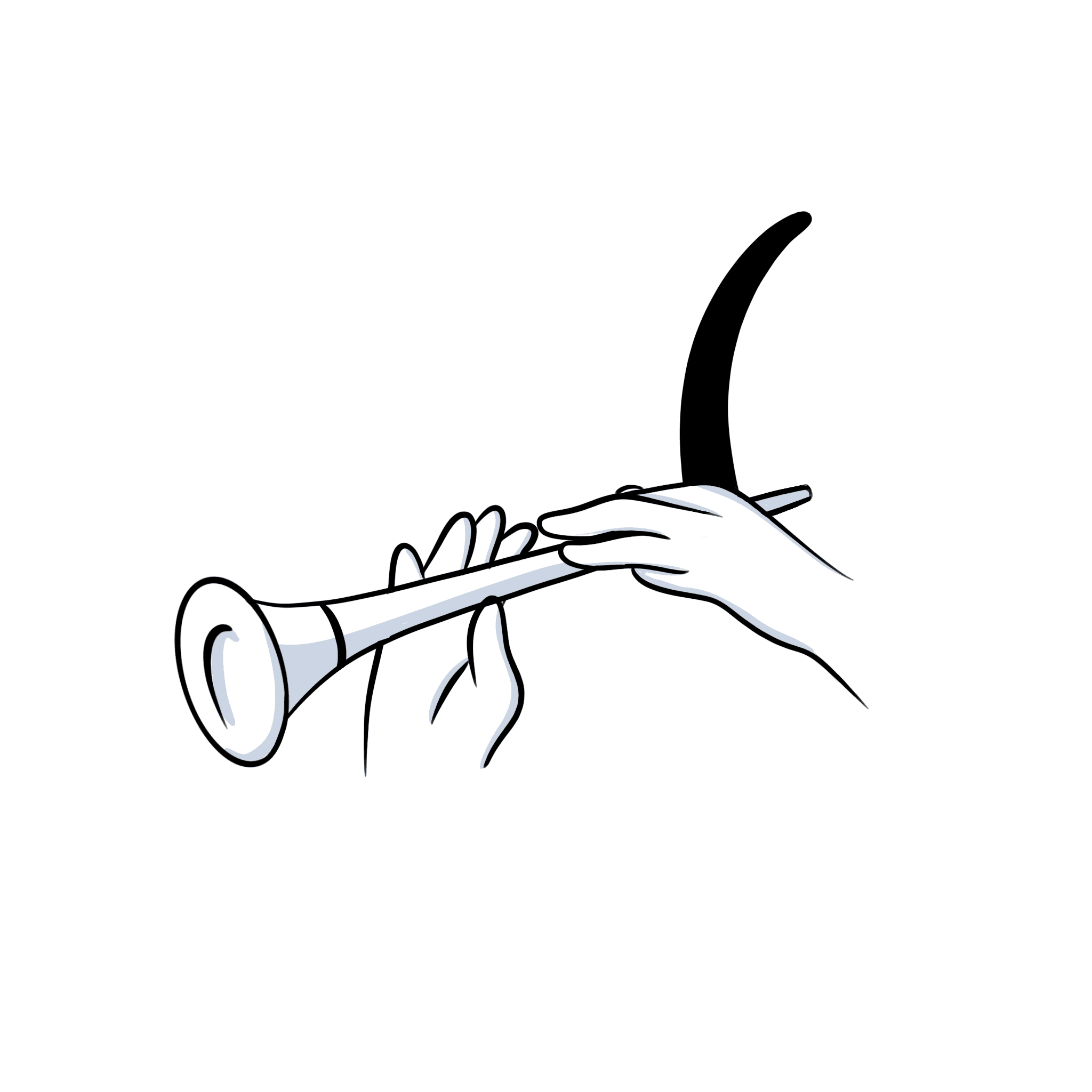
Shehnai

Shehnai

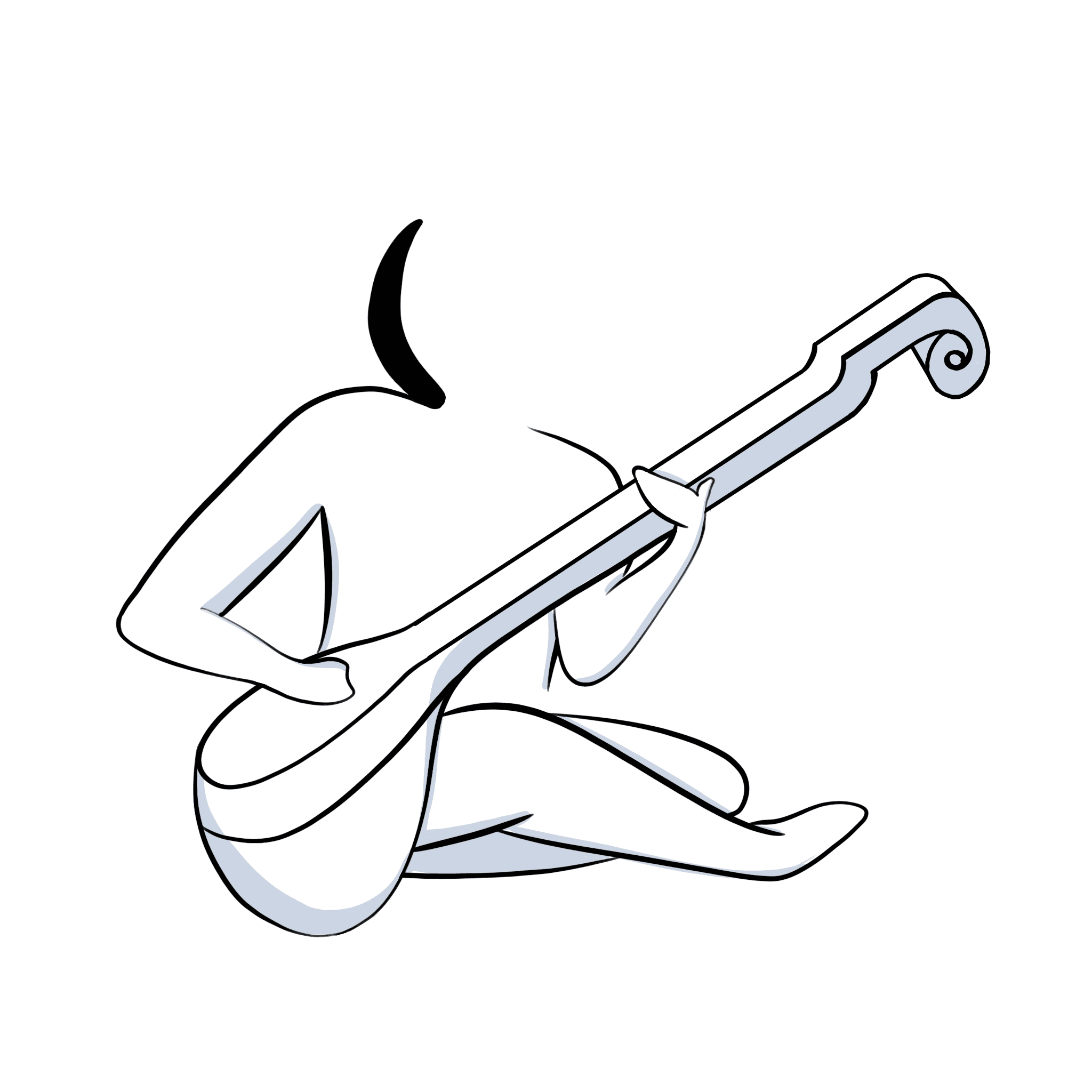
Sitar

Sitar

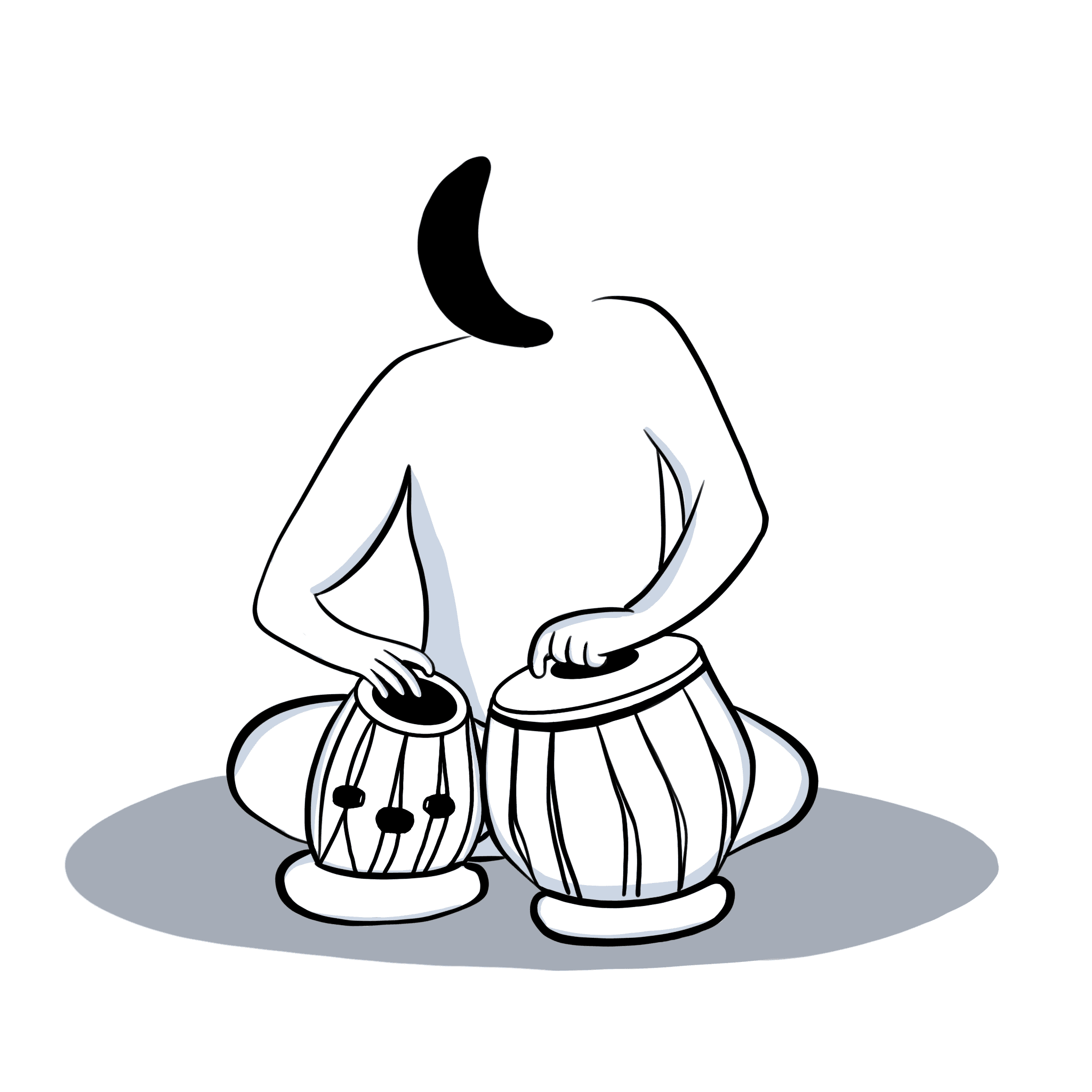
Tabla

Tabla

Tamboura

Tamboura

Reflection

Sound is invisible — yet posture reveals its presence. Each illustration becomes a study of tension, breath, and balance.

Archive

The collection expands as a living document. Every addition deepens the dialogue between instrument, performer, and visual composition.

Continuation

UI and motion are not decorative — they are editorial tools. Scroll becomes rhythm. Space becomes silence.